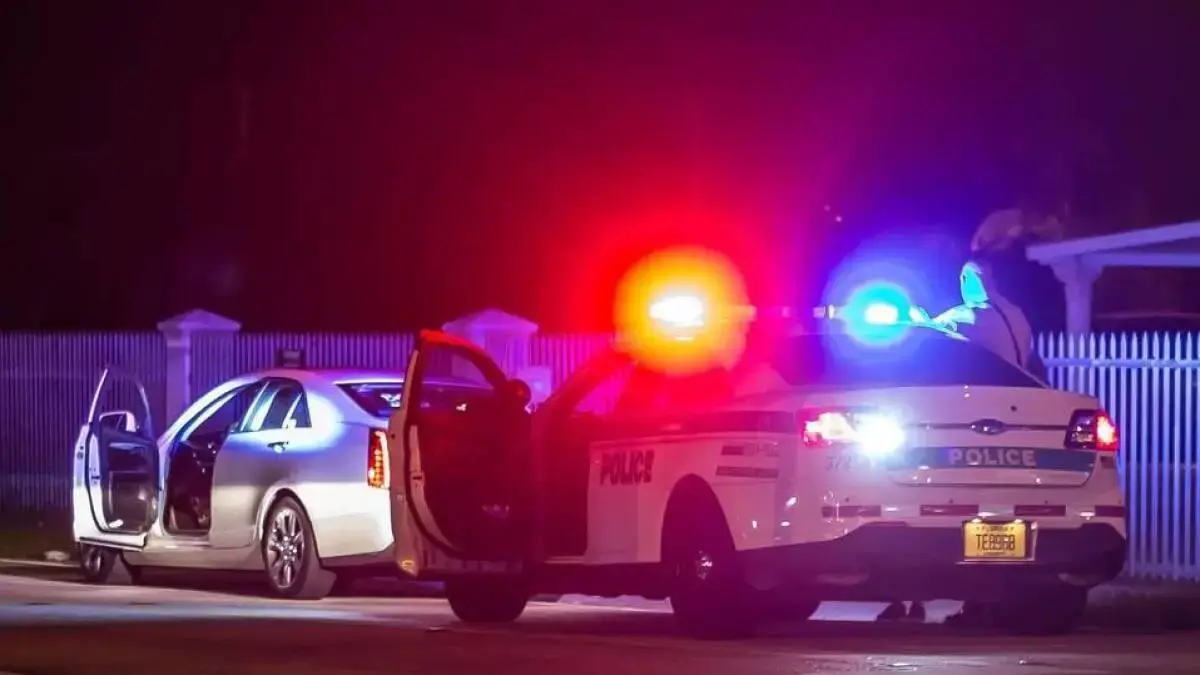
For most people facing an OWI charge in Grand Rapids, losing the ability to drive is the most immediate, practical fear. How will you get to work? Pick up your kids? Keep your life running?
Michigan’s OWI laws impose serious license consequences – but the picture is not as simple as “you lose your license.” The specific consequences depend on your BAC level, whether this is your first offense, and – critically – whether you have an attorney who knows how to minimize the impact.
This guide explains exactly what Michigan law does to your driver’s license at every stage of an OWI case: from the night of arrest through conviction, restriction, and eventual restoration.
Stage 1: The Night of Arrest – What Happens Immediately
When you are arrested for OWI in Michigan, the arresting officer typically confiscates your driver’s license and issues a paper temporary driving permit that allows you to drive for a limited time while your case is pending.
If you refuse the chemical test (breathalyzer or blood draw), your license is subject to immediate action under Michigan’s implied consent law, separate from the OWI charge itself.
| The implied consent suspension is a separate administrative action from your criminal case. It requires its own response, and there are deadlines. Missing them can cost you driving privileges on top of anything the criminal case imposes. Contact an attorney immediately. |
Implied Consent Refusal: The Separate License Suspension
Michigan’s implied consent law (MCL 257.625c) means that by operating a vehicle on Michigan roads, you agree to submit to chemical testing if lawfully arrested for OWI. Refusing the post-arrest test results in:
This suspension runs independently of any OWI conviction. You can be acquitted of the OWI charge and still have your license suspended for the refusal.
You have a right to request a hearing before the Secretary of State to contest an implied consent suspension. There are strict deadlines for this request. An attorney can help you pursue this hearing and potentially keep your license from being suspended while your case is pending.
| Charge | License Suspension | Restriction Period |
| First OWI (BAC .08–.16) | 30-day hard suspension | 150 days restricted driving |
| Super Drunk OWI (BAC .17+) | 45-day hard suspension | 320 days restricted ONLY with IID |
| Second OWI (within 7 years) | 1-year revocation | Minimum 1 year before restoration eligibility |
| Third OWI (felony) | Revocation | DAAD hearing required; minimum 1–5 years |
| OWI with child passenger | Same as above + aggravation | Enhanced and extended restrictions |
| OWVI (Impaired Driving) | 90-day suspension | No hard suspension; restrictions immediately |
What Is “Restricted Driving” in Michigan?
After the initial hard suspension period, most first-offense OWI defendants are eligible for a restricted license that allows driving for specific purposes:
- Work – to and from your place of employment
- School – to attend educational programs
- Medical treatment – necessary appointments
- Court-ordered programs – community service, alcohol treatment, probation
- Religious activities
You cannot use a restricted license for general driving. Violating the restrictions is a separate criminal offense.
The Ignition Interlock Device (IID) – When Is It Required?
Michigan law requires an ignition interlock device (IID) in certain OWI cases:
- Mandatory IID for the entire restriction period. No IID, no driving.
- Required as a condition of restricted license.
- Often required as a program condition.
The IID requires a breath sample before the car starts and takes periodic rolling samples while driving. Failed tests or tampered devices generate violation reports that go directly to the court and can result in extended restriction periods or revocation of the restricted license.
Can You Get Your License Back Faster With an Attorney?
Yes – and this is one of the most concrete, immediate ways that hiring an experienced Grand Rapids OWI attorney affects your real life.
In a first-offense standard OWI case, a skilled attorney can often:
- Negotiate a reduction to OWVI (Impaired Driving), which has a shorter and less restrictive license sanction
- Help you qualify for a restricted license in the fastest possible timeframe
- Navigate the Secretary of State process to ensure you aren’t losing additional days to procedural errors
- Help sobriety court applicants obtain the sobriety court restricted license that allows driving during the program
In my experience, clients who hire an attorney at the beginning of the case consistently have shorter effective license disruptions than those who go unrepresented.
| In the first meeting with clients facing OWI, Attorney Mark Caldwell explains the full license consequence timeline and the specific steps that can be taken to minimize driving disruption. This is practical, life-changing work – not just legal strategy. |
License Restoration After OWI Revocation
For second and third offense OWI convictions, your license is revoked – not suspended. This is a critical distinction. A suspension ends automatically; a revocation does not. You must actively apply to have your license restored.
License restoration after OWI revocation in Michigan requires:
- A formal hearing before the Secretary of State’s Driver Assessment and Appeal Division (DAAD)
- Evidence of sobriety, rehabilitation, and stable lifestyle
- Support from treatment providers or community members
- Demonstrated understanding of the risks of drinking and driving
The DAAD process is demanding and the hearings are adversarial. Many people are denied on their first attempt. Working with an attorney who handles license restoration cases gives you the best chance of success.
Attorney Mark Caldwell handles driver’s license restoration cases throughout West Michigan. For more information, visit: markmcaldwell.com/legal-services
Frequently Asked Questions
Will my license be suspended before I’m convicted?
Generally, no – your license is not automatically suspended at arrest. You receive a temporary permit. The suspension typically follows conviction. However, if you refused the breathalyzer, an implied consent suspension may proceed separately and faster.
How do I get a restricted license after an OWI in Michigan?
After the hard suspension period ends, you’re typically eligible for a restricted license automatically – but you must apply through the Secretary of State. An attorney can help ensure there are no delays or procedural issues.
What happens if I drive during my suspension period?
Driving while your license is suspended in Michigan is a separate criminal offense carrying additional fines, possible jail time, and an extension of your license suspension. Do not drive during a hard suspension period.
Can an OWI conviction ever be off my driving record?
An OWI expungement removes the conviction from your criminal record, but not from your driving record. The driving record entry ages out over time, and becomes less relevant to insurance companies. For more, see our article on OWI expungement in Michigan.
Don’t Let an OWI Cost You More Driving Time Than Necessary.
✆ Call or text: (616) 915-6576
🌐 Free Consultation: markmcaldwell.com/contact
Attorney Mark Caldwell has spent nearly 20 years fighting for the best possible license outcomes for OWI clients in Grand Rapids and throughout West Michigan. A free consultation costs you nothing. Not calling could cost you months.
Related Articles
- Charged With an OWI in Grand Rapids? Here’s Exactly What Happens Next
- Michigan’s Super Drunk Law: What a BAC of .17+ Means for Your Case
- How Grand Rapids Sobriety Courts Work – And Why They Could Save Your Future
- OWI Expungement in Michigan – Clearing Your Record After a Drunk Driving Conviction
Attorney Mark Caldwell serves Grand Rapids, Kentwood, Wyoming, Walker, Grandville, Holland, Muskegon, Ionia and all of Kent, Ottawa, Muskegon, Ionia, Allegan, Mecosta, Newaygo, Osceola, Oceana, and Barry counties.