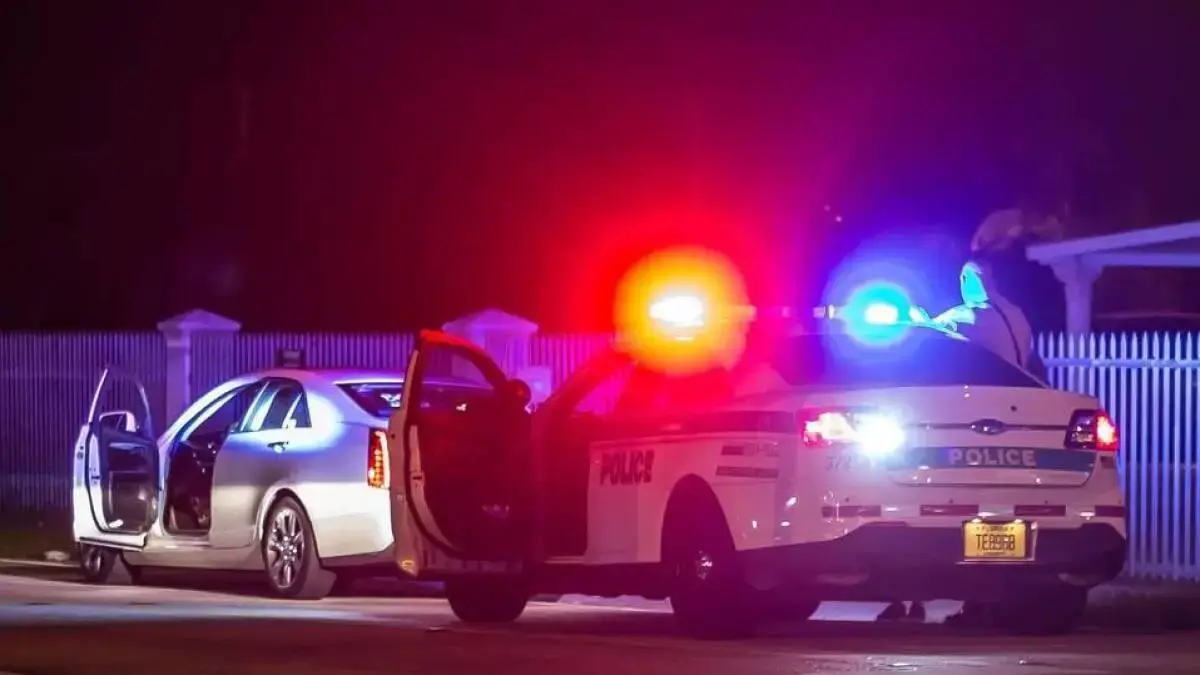
A first-offense OWI in Michigan can lead to fines, jail exposure, community service, probation, and driver’s license consequences. Jail time can run up to 93 days, though it’s rarely imposed for standard first-time offenses. Fines typically range from $100 to $500, plus additional court costs and fees. Courts can also order up to 360 hours of community service and up to 2 years of probation, which may include alcohol or substance abuse testing and treatment classes.
The exact outcome depends on your BAC level, the specific charge, and the facts of your arrest. Michigan law treats a standard OWI differently from a high-BAC offense, and being arrested does not automatically mean a conviction will follow.
What Is OWI in Michigan?
OWI stands for Operating While Intoxicated, Michigan’s legal term for drunk or impaired driving under MCL 257.625. A person can be charged with OWI for driving with a BAC of 0.08% or higher, or for driving while under the influence of alcohol, a controlled substance, or a combination of both, in a way that affects their ability to operate a vehicle safely. Michigan does not use the term “DUI” in its statutes, though it refers to the same underlying conduct.
The OWI statute covers a range of situations, from a standard first-time charge to repeat offenses and high-BAC cases. The specific consequences a person faces depend on which subsection of the law applies to their case, their BAC at the time of the stop, and whether they have any qualifying prior convictions.
Common impaired-driving categories in Michigan:
- OWI (BAC-based): Driving with a BAC of 0.08% or higher
- OWVI: Driving while visibly impaired by alcohol or drugs, regardless of exact BAC
- High BAC (“Super Drunk”): OWI with a BAC of 0.17% or higher
- Zero Tolerance: Applies to drivers under 21 with any measurable BAC
What Counts as a “First Offense” Under Michigan’s OWI Law?
A first offense OWI in Michigan means the driver has no qualifying prior OWI, OWVI, or high-BAC conviction within the lookback period Michigan uses to determine repeat-offender status. Under MCL 257.625, that lookback period is 7 years for enhancing a charge to a second offense, and a lifetime lookback for enhancing a third offense to a felony. A person can have been arrested before and still qualify as a first-time offender if no prior conviction falls within that window.
This distinction matters because Michigan does not treat “first offense” as a single fixed charge. It’s a status that applies across several different subsections of the OWI statute, each carrying its own BAC threshold and penalty range.
Factors that determine first-offense status:
- No qualifying prior conviction: No OWI, OWVI, or high-BAC conviction within the applicable 7-year or lifetime lookback window
- BAC tier still applies separately: A first offense can fall under the standard OWI provision, the high-BAC (“Super Drunk”) provision, or OWVI, depending on the test result and evidence
- Out-of-state convictions can count: A prior conviction from another state may still qualify as a prior offense under Michigan’s lookback rules
- Diversion or deferred outcomes vary: Whether an earlier case counts as a “prior” can depend on how that case was legally resolved, not just whether an arrest occurred
Because the lookback rules and prior-offense definitions are set by statute and can be interpreted differently based on out-of-state or deferred cases, anyone unsure whether a past case affects their current charge should have a Michigan attorney review their driving and court record directly.
What Are the Penalties for a Standard First OWI?
A standard first offense OWI, with a BAC below 0.17%, carries statutory maximums under Michigan law. Courts have discretion in sentencing, so not every case results in the maximum penalty.
| Penalty | Potential Consequence |
| Fine | $100 to $500 |
| Jail | Up to 93 days |
| Community service | Up to 360 hours |
| Licence consequences | 180-day suspension (30-day hard suspension, then 150-day restricted license) |
| Points | 6 points added to driving record |
Does a High BAC Change the Penalties?
Michigan’s high-BAC provision, sometimes called the “Super Drunk” law, applies when a driver’s BAC is 0.17% or higher. It remains a first-offense OWI under MCL 257.625, but the consequences are more severe than a standard case.
BAC Below .17
- Fine up to $500
- Jail up to 93 days
- Community service up to 360 hours
- 180-day license suspension
- 6 points
BAC .17 or Higher
- Fine up to $700
- Jail up to 180 days
- Community service up to 360 hours
- License suspension of at least one year
- 6 points
- Mandatory alcohol treatment
- Ignition interlock required for restricted driving after the hard suspension period
A high BAC does not automatically mean a court will impose the maximum jail term or fine. It does mean the statutory range a judge can consider is wider.
What Happens to Your Driver’s License?
Licensing consequences are handled separately from the criminal case. The Michigan Secretary of State imposes administrative sanctions based on a conviction, independent of whatever sentence a judge orders.
A typical sequence looks like this:
- Arrest: Officer develops probable cause and makes an arrest
- Testing or refusal: Driver submits to or refuses a breath or blood test, which can trigger separate administrative consequences
- Administrative license process: The Secretary of State may act on a test refusal independently of the criminal case
- Criminal case proceeds: Arraignment, pretrial conferences, and possible trial.
- Possible conviction: Not every arrest results in a conviction
- License consequences applied: Suspension, restriction, and points follow a conviction
Not every case moves through this timeline in the same order or on the same schedule. Court dockets and individual circumstances vary.
Can You Go to Jail for a First OWI?
Yes, jail time is a possible outcome for a first-offense OWI, but it is not automatic. The statutory maximum is up to 93 days for a standard offense and up to 180 days for a high-BAC offense. Many first-time defendants do not serve the maximum, or any, jail time.
Judges typically weigh several factors before deciding on a sentence, including:
- BAC level
- Whether an accident or injury occurred
- Any prior driving or criminal record
- Driving behavior observed during the stop
- Cooperation during the arrest and legal process
- Facts surrounding the traffic stop itself
- Practices of the specific court handling the case
No single factor guarantees a particular outcome. Each case is evaluated individually.
What Other Costs Can Come With an OWI?
The statutory fine is only one part of the financial picture. Other potential expenses include:
- Court costs and administrative fees
- Attorney fees
- Substance abuse assessment or treatment costs
- Ignition interlock installation and monthly fees, when required
- Transportation costs during a license suspension or restriction
- Potential increases in auto insurance premiums
- Other case-specific expenses ordered by the court
Total financial impact varies significantly from case to case, and no fixed dollar figure applies to every situation.
What If This Is Your First OWI Charge in Michigan?
Understanding your first OWI charge in Michigan starts with recognizing that an arrest is not the same as a conviction. The prosecution must still prove the charge, and the facts of the traffic stop, testing procedures, and evidence collection can all affect how the case proceeds.
| Charged | Convicted |
| Formal accusation, not proof of guilt | Court has made a legal finding of guilt |
| Criminal case is pending | Sentencing penalties may apply |
| License consequences may be limited to a refusal sanction | Full license sanctions under Michigan law apply |
| Defense options remain open | Case has been resolved |
How Can an OWI Attorney Help?
A Grand Rapids OWI attorney can review the facts of a case to identify potential issues before the case is resolved. This can include examining the reason for the traffic stop, how field sobriety tests were administered, and whether breath or blood testing followed proper procedures. Attorney Mark Caldwell reviews probable cause for the arrest, the accuracy of charging documents, and how licensing consequences intersect with the criminal case for each client he represents.
An OWI/DUI Attorney Grand Rapids, MI cannot guarantee that charges will be dismissed or that a client will avoid jail, fines, or license suspension. What legal representation can offer is a thorough review of the available evidence and defense options.
What Should You Know About Your License After an OWI?
License consequences involve rules set by the Michigan Secretary of State that operate alongside, but separately from, the criminal court process. Suspension length, restricted driving eligibility, and interlock requirements can differ depending on whether the case involves a standard OWI, a high-BAC offense, or a test refusal. No single suspension period applies uniformly to every first OWI case.
What Happens in Kent County OWI Cases?
Kent County OWI cases proceed through the local court system that has jurisdiction over the location of the arrest. Someone facing charges in this area may benefit from counsel who is familiar with the general procedures and scheduling practices used by local courts, since deadlines for hearings and administrative license requests can move quickly. Mark Caldwell handles cases in and around Grand Rapids and is familiar with the courts that hear these matters.
A local case checklist to review early:
- Which court has jurisdiction over the case
- What specific charge appears on the citation
- Applicable license consequences
- Available evidence, including testing records
- Upcoming deadlines for hearings or motions
- Whether legal representation has been secured
What Should You Do After a First OWI Arrest?
- Keep all paperwork: Save the citation, any chemical test documentation, and bond or release paperwork.
- Pay attention to license deadlines: Administrative deadlines, particularly after a test refusal, can move faster than the criminal case.
- Avoid discussing the case publicly: Limit conversations about the arrest to your attorney.
- Do not ignore court dates: Missing a required court appearance can create additional legal problems.
- Speak with a qualified Michigan OWI defense lawyer: Early legal review can help you understand the charge, the evidence, and your available options. Mark Caldwell offers a case review for people in this situation.
Can a First OWI Be Reduced or Dismissed?
The outcome of any OWI case depends on the specific facts and legal issues involved. An attorney may examine whether weaknesses exist in the traffic stop, probable cause, field sobriety testing, chemical testing procedures, or how evidence was handled. In some cases, this review leads to negotiated resolutions or challenges to the evidence.
Not every case results in a reduction or dismissal. Outcomes depend on the specific evidence, applicable law, and how the case is presented in court.
How Long Does a First OWI Stay on Your Record?
A conviction affects several separate records: your criminal record, your driving record with the Secretary of State, and any points assessed. Under current Michigan law, a first-time OWI, OWVI, or high-BAC conviction may become eligible for expungement by application, generally after a multi-year waiting period following the completion of sentencing, and only once in a person’s lifetime.
Convictions involving injury or death are not eligible. Because expungement eligibility rules can change, anyone considering this option should confirm current requirements with a licensed Michigan attorney.
What Makes a First OWI More Serious?
Certain circumstances can increase the severity of a first-offense case or lead to different charges entirely:
- BAC of 0.17% or higher
- An accident occurred during the incident
- Injury to another person
- A death resulting from the incident
- A child passenger under 16 in the vehicle
- A qualifying prior conviction affecting first-offense status
- Allegations involving controlled substances
- Additional criminal charges connected to the arrest
Not every aggravating circumstance applies to every case, and each carries its own legal analysis under Michigan law.
In Conclusion
A first-offense OWI in Michigan can involve fines, potential jail time, community service, license consequences, and other requirements following a conviction. The specific outcome depends on the facts of your case, your BAC level, and applicable Michigan law. An arrest does not decide the outcome of your case, and the penalties described above are potential maximums, not guaranteed results.
If you’ve been arrested or charged with a first OWI in the Grand Rapids or Kent County area, Mark Caldwell is available to review the details of your case. Contact us to schedule a case review and talk through your situation before your next court date.
Frequently Asked Questions
- What are the penalties for a first offense OWI in Michigan?
A first offense OWI can involve fines, up to 93 days in jail (up to 180 days for a high-BAC offense), community service, license suspension, and 6 points on your driving record. The exact outcome depends on your BAC and the facts of your case.
- How long is your license suspended for a first OWI in Michigan?
A standard first offense typically results in a 180-day suspension, with a 30-day hard suspension followed by 150 days of restricted driving. A high-BAC offense carries a longer suspension. The exact length depends on the specific charge and circumstances.
- What happens after a First OWI charge in Michigan?
After a First OWI charge in Michigan, the case moves through arraignment, pretrial proceedings, and potentially trial. Licensing consequences from the Secretary of State may run on a separate timeline from the criminal case.
- When should I contact a Grand Rapids OWI attorney?
Reaching out to a Grand Rapids OWI attorney as soon as possible after an arrest allows time to review evidence, track administrative license deadlines, and evaluate defense options before the case moves forward.
- What is Operating While Intoxicated in Michigan?
Operating While Intoxicated is Michigan’s primary drunk-driving offense, applying when a driver’s BAC is 0.08% or higher or when alcohol or drugs impair driving ability.