| QUICK ANSWER
An OWI arraignment is your first formal court appearance after a drunk-driving arrest in Michigan. A judge or magistrate reads the charge against you, advises you of your rights, takes your plea (almost always “not guilty”), and sets bond and conditions of release. For a first or second offense, it takes place in district court; in Grand Rapids, that is the 61st District Court. The hearing is brief, but the bond conditions it sets can shape your daily life for the rest of the case. |
If you have been arrested for drunk driving and a court date is now staring back at you, the first question on your mind is probably a simple one: what is an arraignment, and what is going to happen when you walk into that courtroom? It is the question almost everyone asks after an OWI, and the uncertainty is often worse than the event itself.
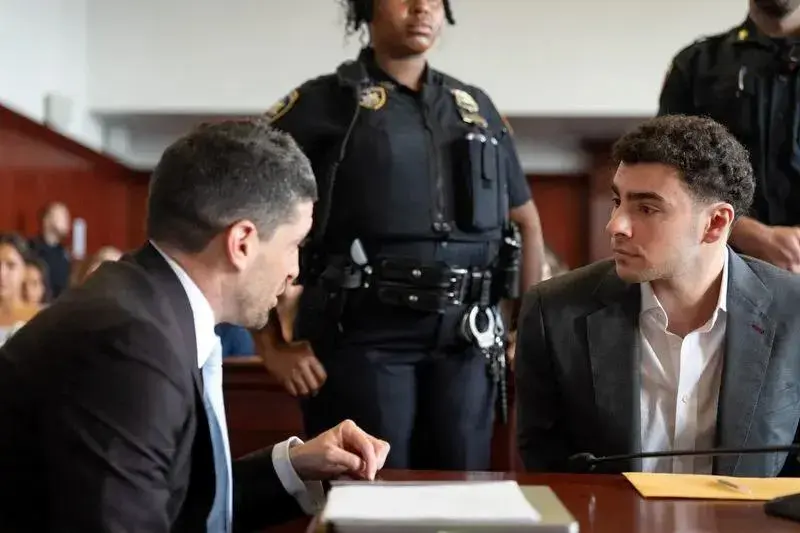
An arraignment is your first formal appearance before a judge or magistrate. In plain terms, it is the moment the court tells you exactly what you are charged with, informs you of your rights, takes your initial plea, and decides the conditions under which you can remain free while your case moves forward. It is short, often just a few minutes, but the decisions made there, especially about bond, can affect your life for months.
This guide walks through what an OWI arraignment in Michigan actually involves, step by step, so you can walk in informed instead of afraid. For the bigger picture of everything that follows, the firm’s overview of what happens after an OWI arrest in Grand Rapids picks up where this article leaves off.
| FROM THE FIRM
The arraignment is where the tone of an OWI case is often set. Bond conditions imposed here, such as alcohol testing, travel limits, or no-driving orders, can shape daily life for the entire case. In nearly 20 years of OWI defense across Kent County, Attorney Mark Caldwell has seen how much smoother a case proceeds when a defendant understands the arraignment before it happens and, where appropriate, has counsel involved from this first step. |
What Does “Arraignment” Actually Mean?
The word sounds intimidating, but the concept is straightforward. An arraignment is the formal reading of the charges against you and your first chance to respond to them. Across the country, every criminal case and many traffic cases begin this way, which is why “what is an arraignment” is one of the most searched legal questions there is. In Michigan, an OWI arraignment serves four core purposes:
- Notice of the charge. The court formally tells you the specific charge or charges you face.
- Advice of rights. The court advises you of your constitutional rights, including the right to an attorney.
- Initial plea. You enter a plea, almost always “not guilty” at this early stage.
- Bond and release. The court sets bond and any conditions of release.
Notice what an arraignment is not: it is not a trial, it is not where guilt is decided, and it is not the place to argue the facts of your case. Entering “not guilty” at arraignment simply preserves all of your rights and options. It does not mean you are claiming innocence in some final sense; it means the case will proceed so the evidence can be examined properly.
Where Does Your OWI Arraignment Happen in Grand Rapids?
For a first or second offense OWI, both of which are misdemeanors, your arraignment takes place in district court. In Grand Rapids, that is the 61st District Court. A third offense is a felony: it begins in district court and then moves toward a preliminary examination before any bindover to the Kent County Circuit Court. The location and procedure depend on the level of the charge, which is tied directly to the OWI penalties and sanctions you may be facing. If your case involves a third offense or a high BAC of .17 or more, the conditions the court considers at arraignment tend to be stricter.
The OWI Arraignment Timeline: Step by Step
Here is what typically happens, in order, at a Michigan OWI arraignment:
| Step | What happens at this stage |
|---|---|
| 1. Charges read | The judge or magistrate states the specific offense, for example Operating While Intoxicated under MCL 257.625. |
| 2. Rights explained | You are advised of your rights, including the right to remain silent and the right to an attorney. |
| 3. Plea entered | You enter a plea, typically “not guilty,” to preserve your options and allow the evidence to be reviewed. |
| 4. Bond set | The court sets bond and conditions of release based on the charge, your record, and your ties to the community. |
| 5. Next date scheduled | The court schedules the next step: a pretrial conference, or for a felony, a preliminary examination. |
The whole process can take just a few minutes. But do not let the brevity fool you. The bond conditions set in step four are binding, and violating them, by drinking, driving without a license, or missing a required test, can land you back in custody. This is why understanding the arraignment matters even though it is brief. Knowing the common mistakes to avoid after an OWI arrest can keep an already stressful situation from getting worse.
What Is a Bond at an Arraignment?
Many people searching “what is a bond at arraignment” are really asking a practical question: how do I stay out of jail while my case is pending, and what will it cost me? Bond is the court’s mechanism for making sure you return for future hearings and comply with conditions in the meantime. In Michigan OWI cases, the court generally has several options:
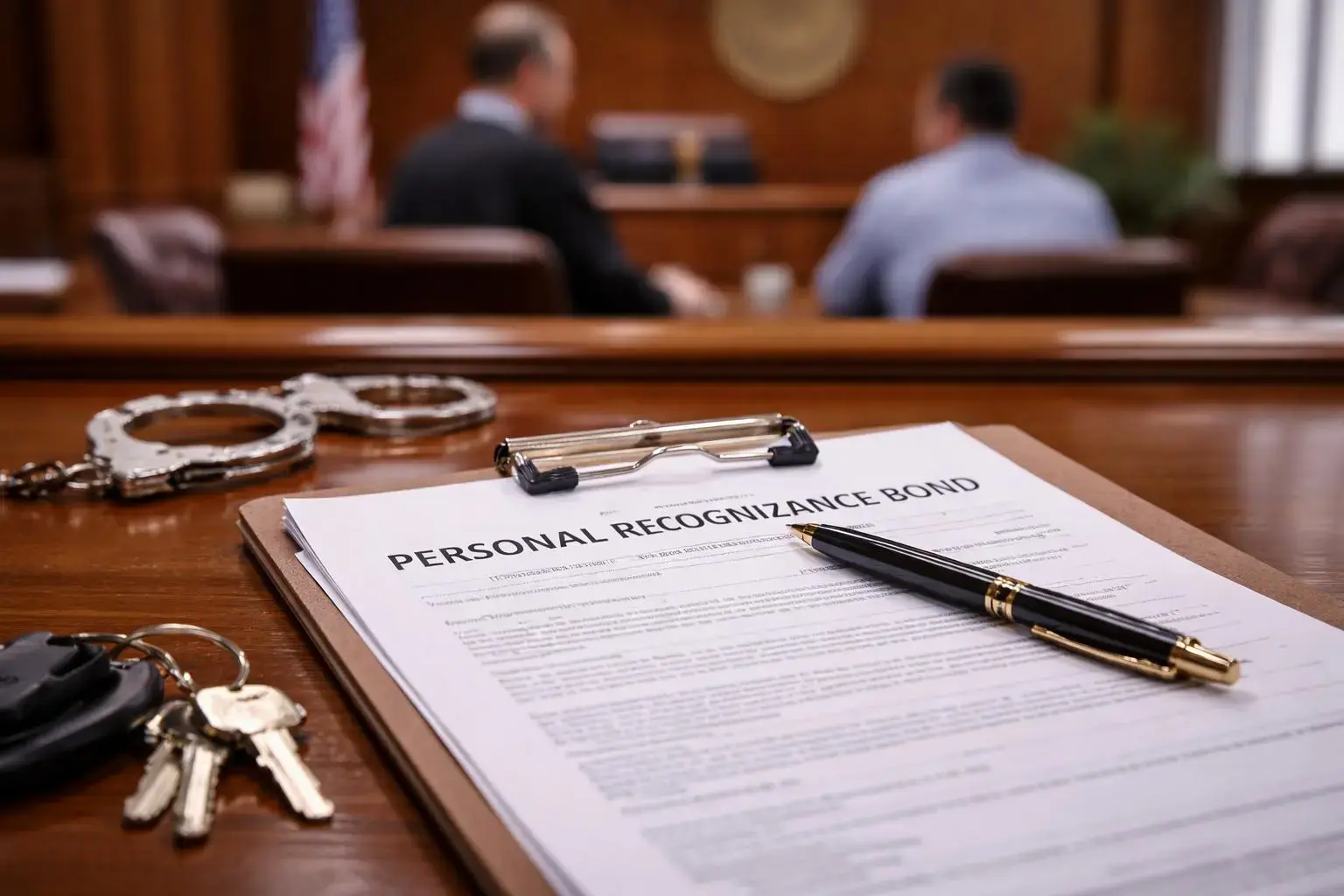
- Personal recognizance (PR) bond: release on your written promise to appear, with no money required up front.
- Cash or surety bond: a set amount that must be posted, sometimes a percentage of the total.
- Conditional bond: release subject to conditions such as no alcohol, alcohol or drug testing, no driving without a valid license, or no leaving the state. A no-driving condition can be especially disruptive to work and family life.
The amount and conditions depend on the offense level, your prior record, and whether the court views you as a flight or safety risk. A second or third offense, or an offense involving a high BAC or an accident, typically draws stricter conditions. Having someone speak knowledgeably on your behalf about your employment, family, and community ties can meaningfully affect what the court orders.
| BOND CONDITIONS ARE BINDING
Bond conditions are not suggestions; they are court orders. An alcohol-testing condition that is violated, or a no-driving condition ignored, can result in a bench warrant and jail entirely separate from the underlying OWI. Treating every condition as mandatory from day one keeps a difficult situation from becoming a crisis. |
Should You Have an Attorney at Your OWI Arraignment?
For many misdemeanor OWI arraignments, a defendant appears without counsel, enters a not-guilty plea, and retains an attorney shortly after. In some courts, retained counsel can even waive a misdemeanor arraignment and enter the plea on your behalf. But for second and third offenses, for cases involving a high BAC or an accident, and any time bond conditions are likely to be significant, having a Grand Rapids OWI defense attorney involved at or before the arraignment can change the trajectory of the case.
Early involvement means the bond argument is made well, the conditions stay reasonable, and the defense begins preserving evidence immediately, before video is overwritten or witnesses move on. The arraignment is not the place to argue your innocence, but it is absolutely the place to start protecting your position. Reviewing the firm’s frequently asked questions about Michigan OWI cases can help you prepare for what comes next.
What Happens After the Arraignment?
Once the arraignment concludes, a misdemeanor OWI typically heads to a pretrial conference, where the defense and prosecution discuss the evidence and possible resolutions. A felony third offense moves toward a preliminary examination. From there, the case may resolve through negotiation, head toward trial, or be challenged through pretrial motions, for example, a motion to suppress evidence from an unlawful stop. The full sequence is mapped out in the firm’s guide to what happens after an OWI arrest in Michigan. The key point: the arraignment is the doorway, not the destination.
Frequently Asked Questions
What is an arraignment in simple terms?
An arraignment is your first court appearance after being charged. The judge tells you the charge, explains your rights, takes your initial plea (usually “not guilty”), and sets bond. It is brief and is not a trial; no one decides guilt at an arraignment.
Should I plead guilty or not guilty at my OWI arraignment?
In nearly all cases, a not-guilty plea is entered at arraignment. This preserves every right and option while the evidence is reviewed. Pleading guilty immediately gives up the chance to challenge the stop, the testing, and the charge. Speaking with an attorney before changing any plea is strongly advisable.
What happens if I miss my OWI arraignment?
Missing an arraignment can result in a bench warrant for your arrest and additional complications. If you have a scheduling conflict, address it with the court in advance, ideally through an attorney, rather than simply not appearing.
How long does an OWI arraignment take?
The arraignment itself is usually brief, often only a few minutes. The decisions it produces, especially bond conditions, last much longer, which is why preparation matters even for such a short hearing.
Do I need a lawyer before the arraignment?
It depends on the charge. For a straightforward first offense, many people retain counsel right after the arraignment. For second or third offenses, high-BAC cases, or cases involving an accident, having a Grand Rapids OWI attorney involved early can improve both the bond outcome and the overall defense.
| FACING YOUR FIRST COURT DATE? WALK IN PREPARED.
An arraignment is brief, but the bond conditions and early decisions it sets can shape your entire case. You do not have to face that first court date without guidance. Attorney Mark Caldwell has guided people through OWI arraignments and the full court process in Grand Rapids and Kent County for nearly 20 years. Call (616) 915-6576 today for a free consultation. |
Prefer to reach out online? Contact the firm to schedule a free case review before your court date. Understanding what is coming is the first step toward protecting your future.