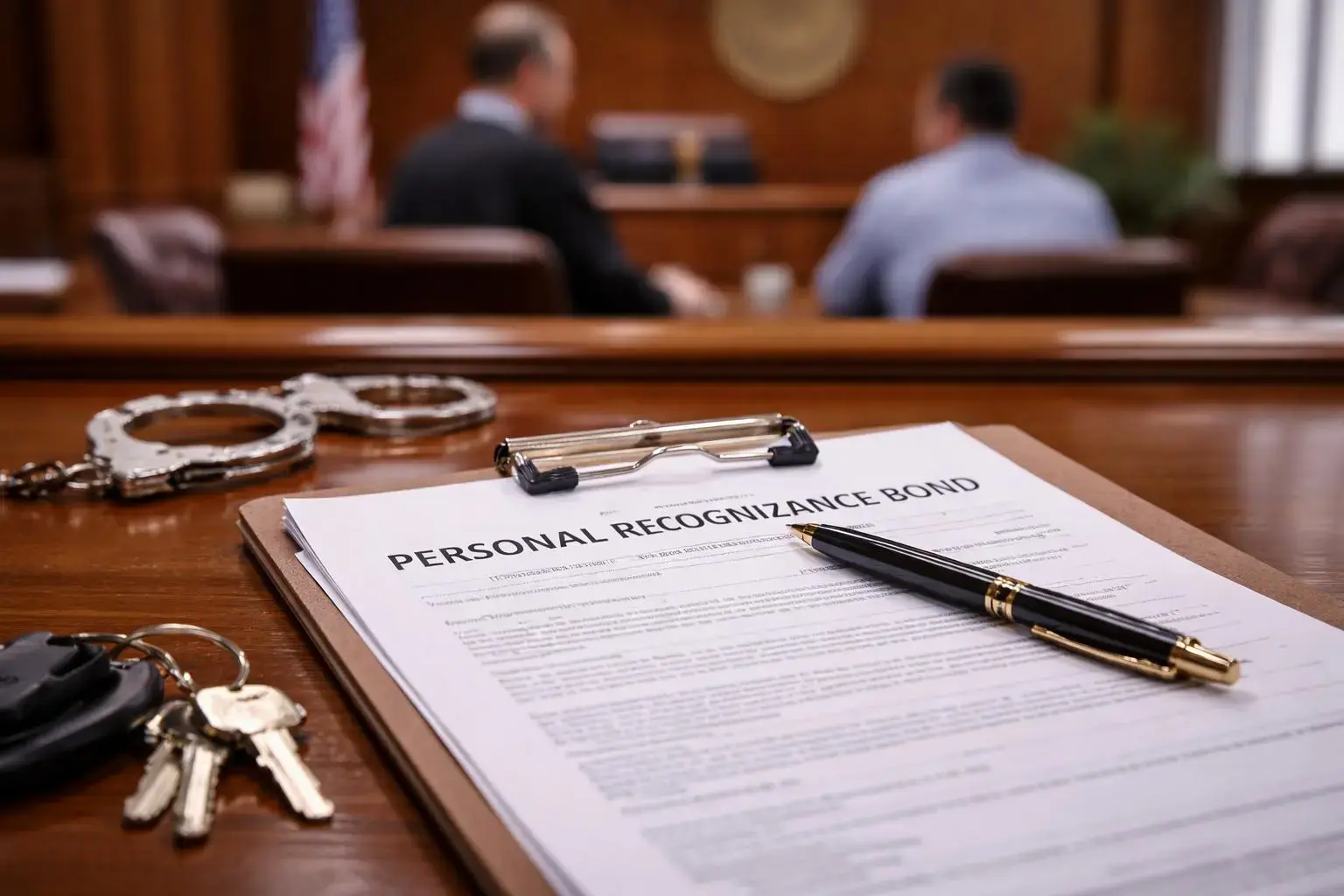
OWPD (Operating with Presence of Drugs) is a Michigan charge under MCL 257.625(8) for driving with any amount of a Schedule 1 drug or cocaine in your system. Unlike a drug-impaired OWI, it does not require proof you were actually impaired while driving. First-offense penalties can include up to 93 days in jail, a $100 to $500 fine, and license suspension.
_______________________________________________________________________
An operating with the presence of drugs in Michigan charge does not require proof that you were impaired. Under MCL 257.625(8), driving with any amount of a Schedule 1 controlled substance or cocaine in your system is enough for a charge. If you are facing an OWPD Michigan case in Grand Rapids, working with a dedicated DUI and drunk driving attorney early can shape how the case unfolds from the start.
What Does OWPD Mean in Michigan?
OWPD stands for Operating with Presence of Drugs. It is a separate charge from a standard OWI.
Michigan’s statute makes it illegal to operate a vehicle with any detectable amount of certain drugs in your body, regardless of whether those drugs actually affected your driving. The law was added to MCL 257.625 in 2003 to close a gap prosecutors faced when drivers tested positive for drugs but showed no clear signs of impairment.
The substances covered fall into two categories:
- Any Schedule 1 controlled substance under MCL 333.7212
- Cocaine, which is technically Schedule 2 but is specifically named in the OWPD statute
OWPD vs. Drug-Impaired OWI: What Is the Difference?
This distinction shapes how your defense attorney approaches your case.
OWPD (MCL 257.625(8))
- Requires only the presence of the drug in your system
- No proof of impaired driving is needed
- Often called a zero-tolerance or strict-presence offense
Drug-Impaired OWI (MCL 257.625(1))
- Requires proof the drug actually affected your ability to drive
- Prosecutors must show visible signs of impairment, erratic driving, or field sobriety test results
- Carries the same general penalty range as an alcohol-based OWI
A driver can test positive for a Schedule 1 substance days after last using it and still be well within legal limits of sobriety. This piece on how DUI and OWI charges differ in Michigan breaks down more of that terminology if you want the broader picture.
Does Michigan Require Proof of Impairment for an OWPD Charge?
No. This is the core feature of an OWPD charge in Michigan and why it surprises so many drivers.
The prosecution only needs to prove three things beyond a reasonable doubt:
- You operated a motor vehicle
- You did so on a public roadway or a place generally accessible to vehicles
- A qualifying controlled substance was present in your body at the time
A positive drug test alone does not guarantee a conviction. The prosecution still must prove each element, and the accuracy, timing, and handling of the test itself can all be challenged.
What Drugs Can Trigger an OWPD Charge?
Any Schedule 1 controlled substance under Michigan law can support an OWPD charge, along with cocaine. Common examples include:
- Heroin
- LSD
- MDMA (ecstasy)
- Psilocybin
- GHB
- Marijuana or THC, in most circumstances
- Cocaine, listed separately as a Schedule 2 substance
Because Schedule 1 status covers a wide range of substances, an OWPD Michigan charge is not limited to what people typically think of as hard drugs.
Does Marijuana Create a Different Legal Issue?
Yes, and this is one of the most misunderstood parts of Michigan’s drug driving law.
Marijuana is technically a Schedule 1 substance, so under a strict reading of MCL 257.625(8), any detectable THC could trigger an OWPD charge. THC metabolites can remain detectable in blood for days or, in some cases, weeks after use, long after any impairment has worn off. This creates real exposure for a marijuana DUI Michigan case even when the driver was not high at the time of the stop.
There is an important exception. Michigan courts have held that registered medical marijuana patients under the Michigan Medical Marijuana Act cannot be charged under the zero-tolerance OWPD provision for marijuana alone, based on the Michigan Court of Appeals decision in People v. Koon. Registered patients can still be charged with a drug-impaired OWI if there is evidence they were actually under the influence while driving.
Recreational users without a medical card do not get this protection. A marijuana DUI lawyer Grand Rapids case often hinges on whether the state can prove the presence of THC was accurately tested, properly timed, and legally obtained.
What Are the OWPD First Offense Penalties?
Michigan treats a first-offense OWPD conviction with the same general penalty structure as a standard first-offense OWI. OWPD first-offense penalties can include:
- Up to 93 days in jail
- Fines generally between $100 and $500
- Up to 360 hours of community service
- Six points added to your Michigan driving record
- Driver’s license suspension, typically around 180 days, with restricted driving eligibility after part of that period
- Possible vehicle immobilization
- Possible ignition interlock device requirement
Drivers who hold a commercial license face steeper stakes, since a qualifying conviction can trigger separate federal consequences. This breakdown of how a Michigan OWI affects CDL holders covers that side in more detail.
What Happens to a Grand Rapids Driver’s License After an OWPD Charge?
A first-offense conviction typically triggers a license suspension of roughly six months. Many drivers become eligible for a restricted license after an initial suspension period, allowing travel to work, school, or court-ordered programs.
The Michigan Secretary of State handles license sanctions separately from the criminal case itself, which is why working with a driver’s license restoration attorney can matter even before your criminal case wraps up.
What Evidence Can Be Challenged in an OWPD Case?
Because OWPD relies entirely on chemical testing, the evidence collection process becomes central to the defense. Common challenges include:
- Whether the traffic stop was supported by legitimate probable cause
- Whether field sobriety tests were administered and documented correctly
- Whether the blood draw was performed by a licensed physician or registered nurse, as Michigan law requires
- Whether the chain of custody for the blood sample was properly maintained
- Whether the toxicology report and testing methodology meet accepted forensic standards
- Whether the timing of the blood test connects the drug presence to the time of driving
A single procedural error, such as an improperly performed blood draw, can be enough to get test results excluded from a case.
What Should a Grand Rapids Driver Do After Being Charged With OWPD?
- Avoid discussing the details of your stop with police beyond identifying information.
- Write down everything you remember about the traffic stop while it is fresh.
- Request and review your toxicology report and arrest paperwork as soon as it is available
- Do not assume a positive drug test means an automatic conviction
- Speak with a criminal defense attorney before your arraignment
Before deciding how to respond to any plea offer, it helps to understand the consequences of a DUI guilty plea in Michigan, since a quick plea is not always the safest option in an OWPD case.
Why Work With Mark Caldwell on an OWPD Michigan Case
Mark Caldwell focuses on Michigan OWI and drug-related driving charge defense, including OWPD cases that hinge on technical testing issues rather than obvious impairment. A marijuana DUI lawyer in Grand Rapids needs to understand both the toxicology side of these cases and how Kent County courts actually handle them.
If you are facing an OWPD Michigan charge, an early review of your blood test procedure, chain of custody, and traffic stop can uncover defense options that are easy to miss without local experience.
Facing an OWPD Charge in Grand Rapids?
A first OWPD charge can feel like the test result already decided your case. It has not. Presence is not the same as guilt, and the process used to collect and test that sample is where many cases turn. If you were charged with OWPD in Kent County, talk to a defense attorney before your court date so you understand exactly what the state has to prove.
If you are facing an OWPD Michigan charge, reach out for a free consultation so your blood test procedure, chain of custody, and traffic stop can be reviewed early.
Frequently Asked Questions
-
- Is OWPD the same as a DUI in Michigan?
Not exactly. OWPD is a specific charge for the presence of a controlled substance, while DUI or OWI more broadly covers alcohol or drug impairment. Both fall under MCL 257.625. - Can I be charged with OWPD in Michigan if I was not high while driving?
Yes. Because OWPD only requires proof of presence, not impairment, you can be charged even if the substance was no longer affecting you. - Will a first OWPD offense automatically mean jail time?
Not necessarily. Judges have discretion in sentencing, and outcomes depend on the facts of the case, prior record, and how the evidence holds up. - How long does marijuana stay detectable for an OWPD charge?
THC metabolites can remain detectable in blood for days after use, which is part of why marijuana-related OWPD cases are frequently contested. - Does refusing a blood test avoid an OWPD charge?
Refusing a chemical test carries its own separate license penalties under Michigan’s implied consent law and does not prevent a charge from being filed based on other evidence.
- Is OWPD the same as a DUI in Michigan?